SUBSTANCE AND CONTAMINANT DIRECTORY

Tests and analyses

Search for a substance or contaminant by name or CAS number. Our team helps you determine the appropriate measurements and analyses for your workplace.


QUICK ACCESS

Most requested analyses

Quickly find commonly requested workplace analyses,
or browse the complete catalogue below to explore all available tests.


Crystalline silica

Assessment of silica dust that may be released when working with concrete, stone or other mineral materials.


The main workplace test for crystalline silica is the analysis of silica in airborne respirable dust to document worker exposure.

Analyses can identify three forms of crystalline silica:

  • Quartz
  • Cristobalite
  • Tridymite

Gravimetric measurement of respirable dust can complement the analysis: it measures the amount of dust collected, while silica analysis determines the amount of crystalline silica present.

Lead

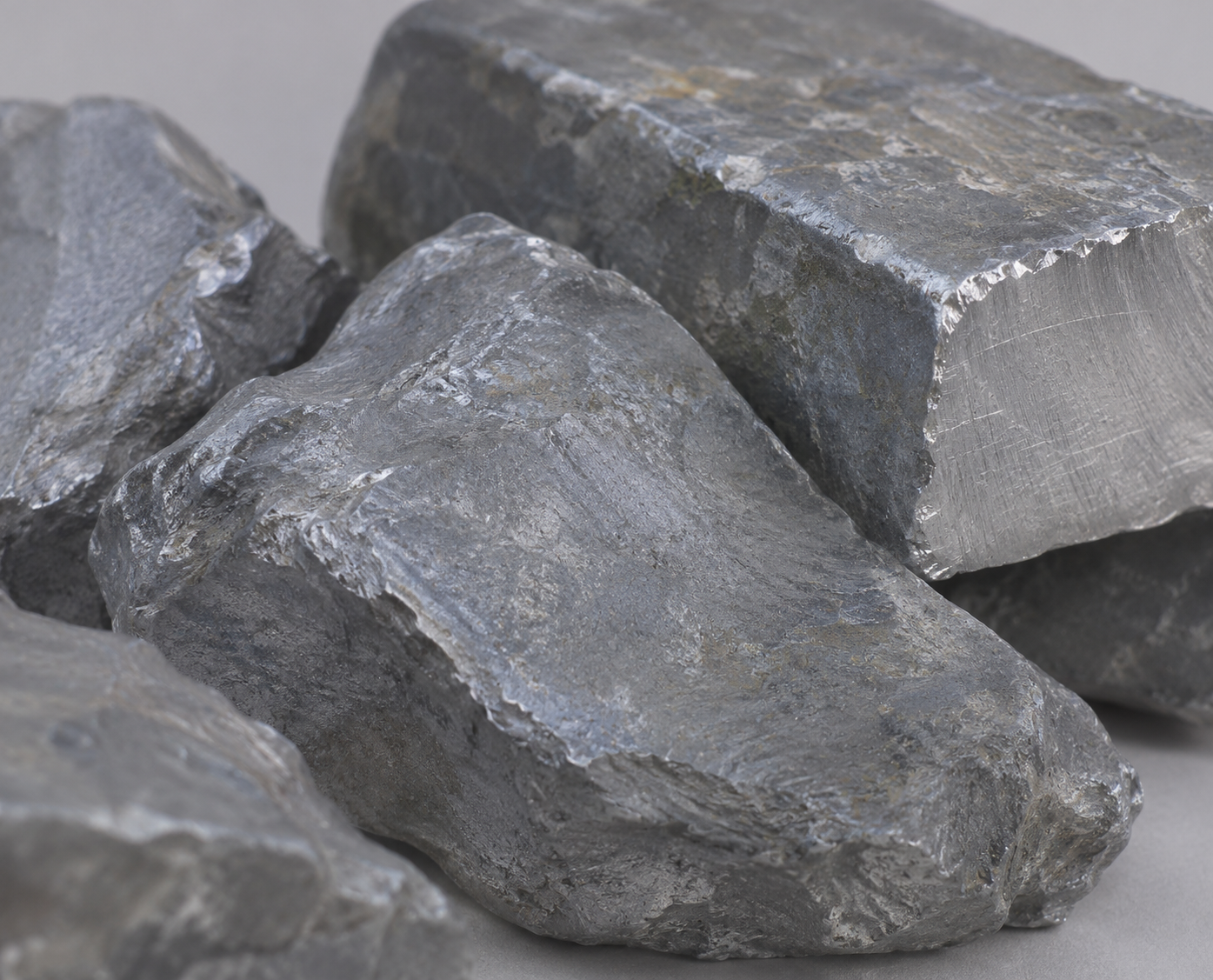
Analysis of lead in paints, materials or dust, and assessment of airborne lead in the workplace.


For lead in the workplace, the main analyses include:

  • Airborne lead:
    Sampling and analysis of lead-containing particles to document worker exposure.

  • Lead on surfaces:
    Wipe sampling to assess surface contamination by lead dust.

  • Lead in paints and coatings:
    Sample analysis to determine lead content.

  • Lead in materials:
    Detection and quantification of lead in materials suspected of containing it, particularly before renovation or demolition work.

Dust

Measurement of airborne dust to document exposure associated with workplace activities and processes.


For workplace dust, the main measurements include:

  • Inhalable dust:
    Measurement of particles that can enter through the nose and mouth during breathing.

  • Respirable dust:
    Measurement of fine particles that can reach the deeper regions of the lungs.

  • Total dust:
    Measurement of dust collected using a specific sampling method; the choice depends on the contaminant being assessed.

These samples are generally subjected to gravimetric analysis to determine the mass of dust collected and its concentration in the air.

Targeted analyses can complement these measurements to quantify specific contaminants, such as crystalline silica or metals. Measuring the amount of dust alone does not determine its composition.

Mould

Air, surface or material sampling to characterize the presence of mould in buildings.


In buildings and workplaces, the main mould genera commonly identified include:

  • Aspergillus
  • Penicillium
  • Cladosporium
  • Alternaria

Volatile organic compounds (VOCs)

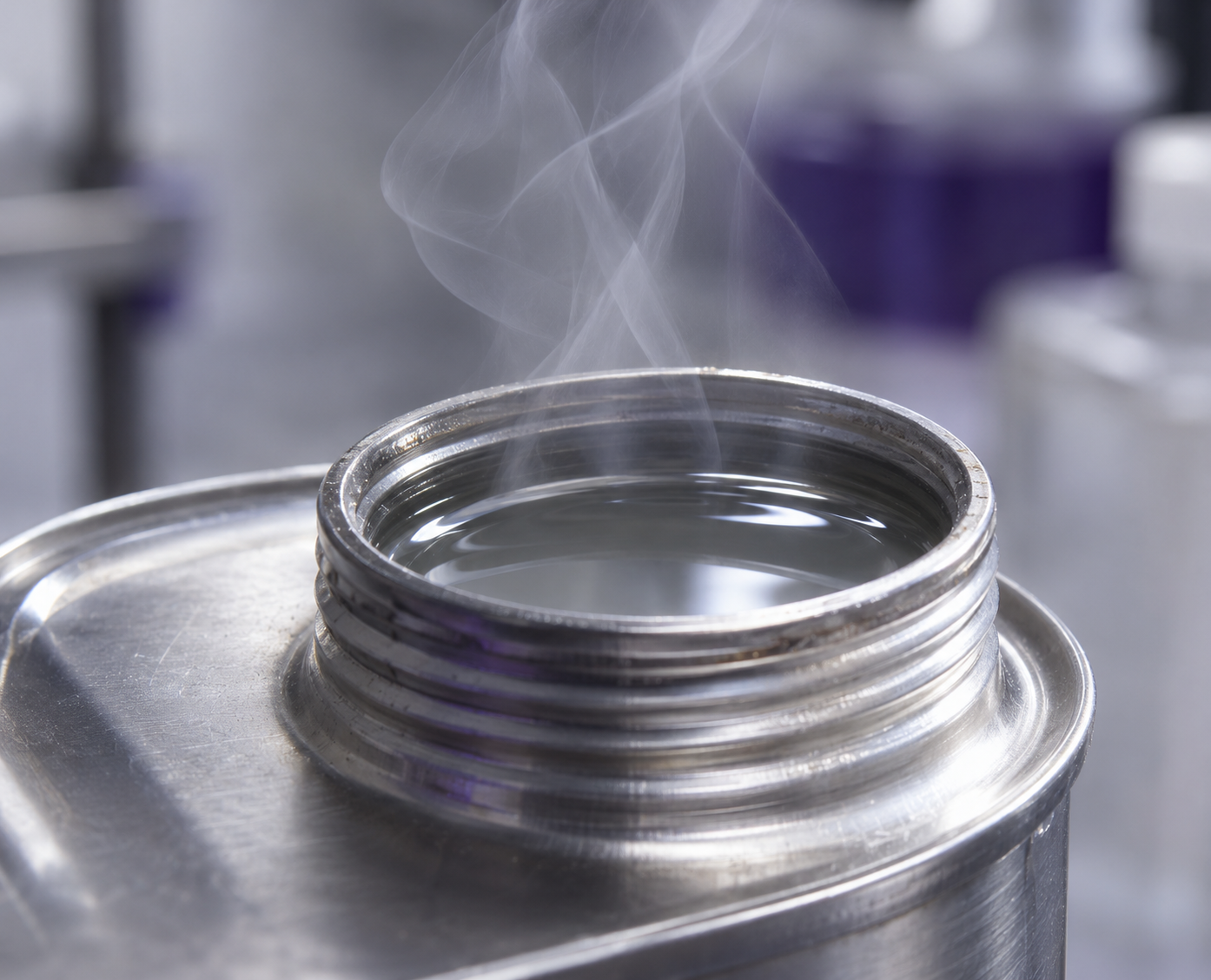
Assessment of volatile substances that may be emitted by solvents, paints, adhesives and other products used in the workplace.


Analyses primarily target substances present in the products used.

  • Aromatic solvents:
    Benzene, toluene, ethylbenzene and xylenes.

  • Ketones:
    Acetone and methyl ethyl ketone (MEK).

  • Alcohols:
    Methanol, ethanol and isopropyl alcohol.

  • Esters:
    Ethyl acetate and butyl acetate.

These substances can be sampled in the air and then analysed in a laboratory using a method suited to each compound.

The choice of analyses depends on the products, their safety data sheets and workplace processes. No single test measures all VOCs.

Asbestos

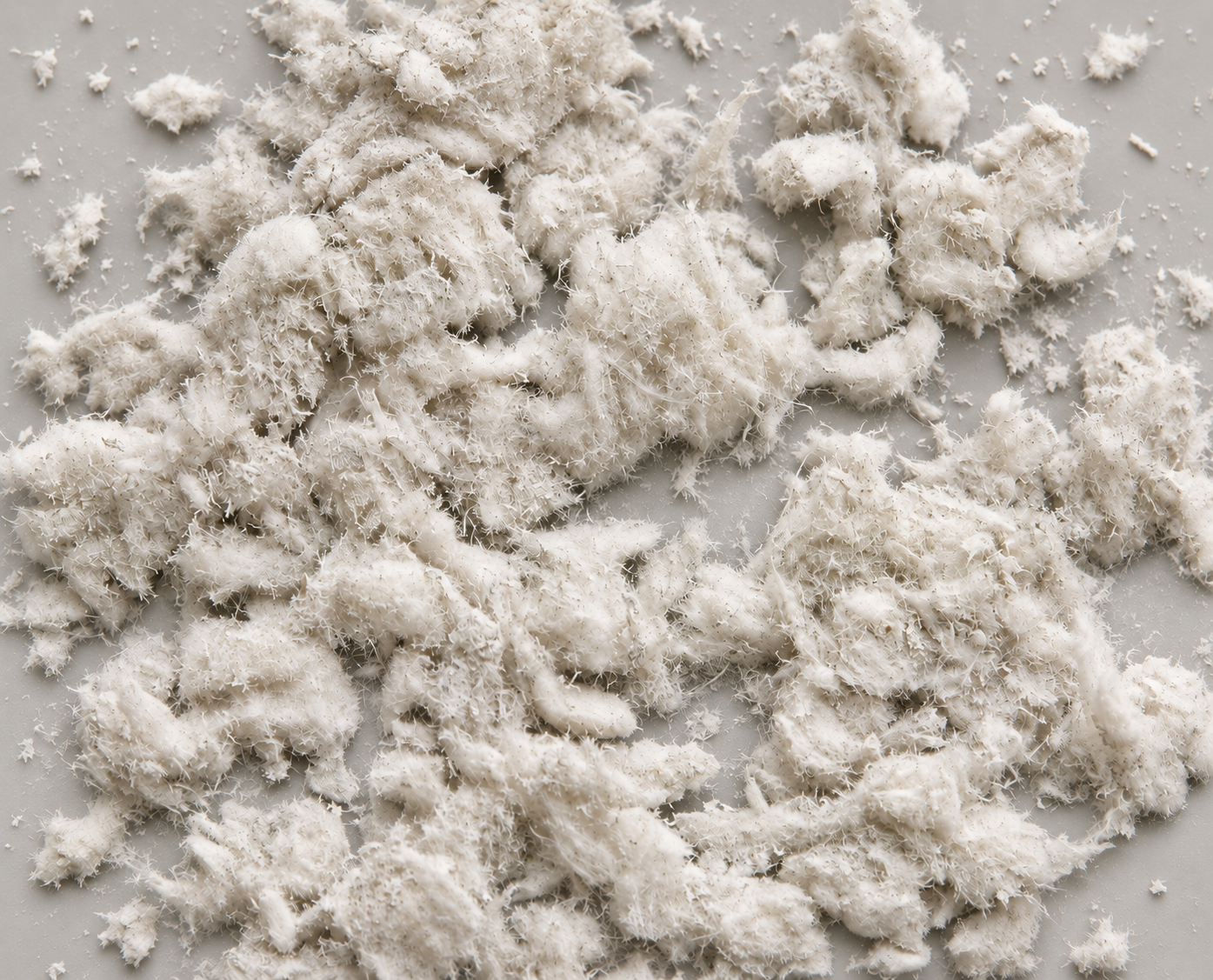
Analysis of materials suspected of containing asbestos and measurement of airborne fibres based on the assessment requirements.


For asbestos in the workplace, the main analyses include:

  • Asbestos in materials:
    Identification of asbestos type and estimation of its content in insulation, plaster, tiles and other suspect materials, generally using polarized light microscopy (PLM).

  • Airborne fibres:
    Sampling and counting of fibres using phase contrast microscopy (PCM). This method alone does not distinguish asbestos fibres from other fibres.

  • Specialized analysis using transmission electron microscopy (TEM):
    Precise identification of asbestos fibres, particularly when fibres are very fine or additional analysis is required.


Substance and contaminant directory

Testing and analysis

Search for a substance or contaminant by name or CAS number. Our team can help you identify the measurements and analyses suited to your workplace.

Search by name or CAS number · Search is not case-sensitive.

Entries without medium or service information are marked “To be confirmed”. Uncheck the option above to display only entries with recorded matches for the selected filters.

Substances and contaminants in the Airtests directory
Substance or contaminant CAS number

Directory based on the 2021 Airtests list. Availability and service details must be confirmed with our team. “Not listed” means that the CAS number is not provided in the source list.

Not sure which test you need?

Tell us about your activities, the products you use or the situation you have observed. Our team can guide you towards the appropriate measurements and analyses.

Talk to our team